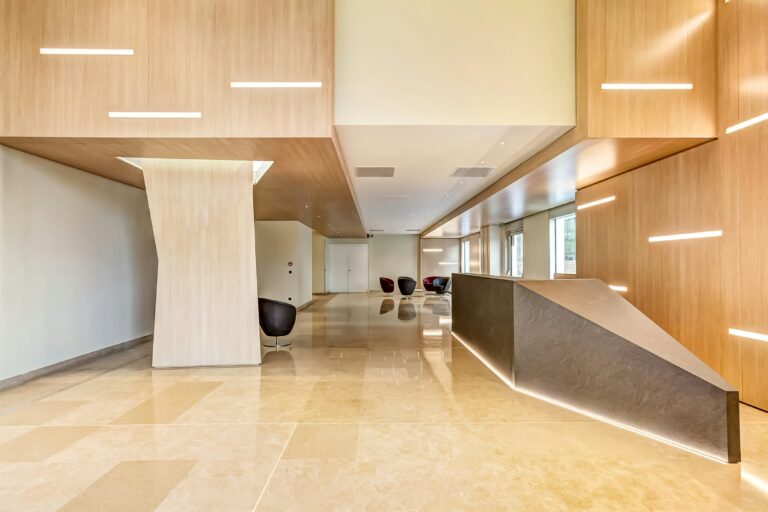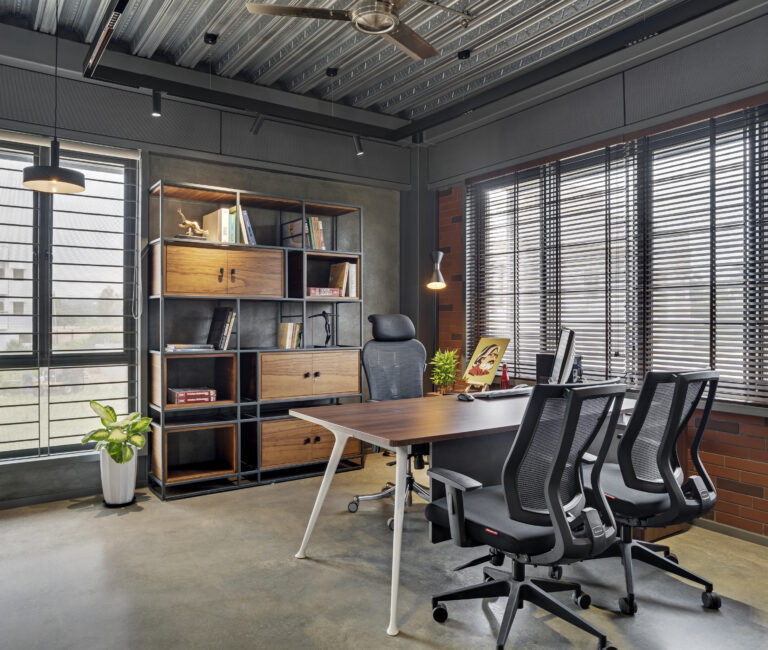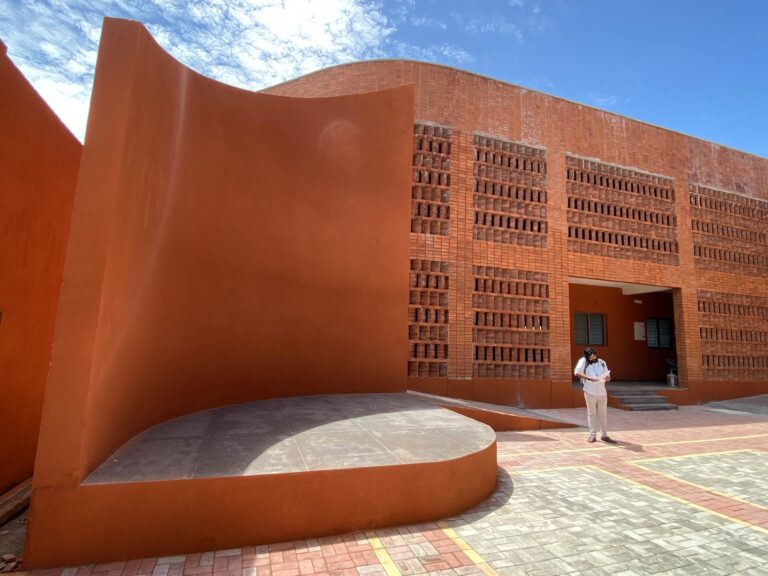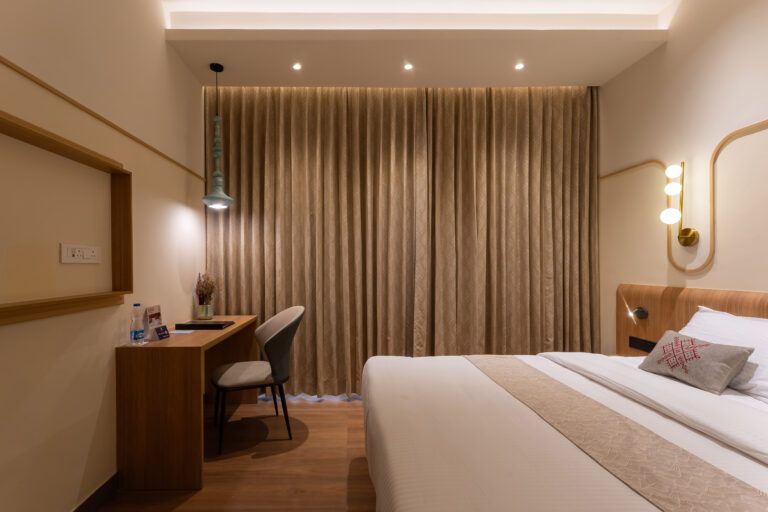
As businesses evolve, the requirements of commercial spaces are changing too. In India, office demand remains strong, while flexibility, quality and sustainability are becoming increasingly important considerations for occupiers.
Experience-Driven Design: The New Foundation
Every commercial project has a different purpose. A retail store needs visibility and customer flow, an office needs productivity and flexibility, while a showroom needs to present products effectively.
Our commercial space design begins by understanding how the business operates. Circulation, zoning, access, service areas, parking, storage, and customer movement are considered from the early planning stage.
Guests are not just dining—they are socializing, capturing moments, and engaging with the space. This shift has led to the rise of experience-driven design, where every element contributes to a cohesive and memorable environment.
Creating Better Customer Experiences
In commercial architecture, the customer experience begins before they enter the building. The entrance, visibility, signage, waiting areas, lighting, proportions, and movement through the space all influence how people perceive a brand.
Good commercial interior design therefore isn’t simply about finishes. It is about creating an environment that is intuitive, comfortable, and aligned with the business identity.
Efficient Use of Space
Commercial property comes with a significant investment. Every square foot needs to work.
Through careful space planning and architectural design, we aim to reduce unnecessary circulation and dead spaces while creating functional zones for employees, customers, and operations.
This becomes particularly important when designing offices, retail spaces, showrooms, restaurants, healthcare facilities, and mixed-use commercial buildings.
Instead of a uniform layout, spaces are divided into distinct zones:
Intimate seating for private dining
Open, vibrant areas for social interaction
Bar zones that act as visual anchors
Outdoor or semi-open spaces for a relaxed atmosphere
This layered approach allows restaurants to cater to diverse customer preferences, increasing both occupancy and repeat visits.
Lighting as a Design Language
Lighting has become one of the most critical tools in restaurant design.
It defines mood, enhances materials, and directs attention. In 2026, layered lighting strategies are widely used—combining ambient, task, and accent lighting to create depth and atmosphere. Warm tones dominate dining areas to create comfort, while focused lighting highlights key elements such as tables, artwork, or architectural features.The right lighting can elevate even the simplest space into a premium experience.
Flexibility and Adaptability
Restaurants in 2026 are designed to adapt.
Flexible layouts allow spaces to transform based on time and demand—lunch service, dinner ambiance, private events, or high-traffic weekends. Movable furniture, modular seating, and adaptable lighting systems support this versatility. This flexibility not only enhances customer experience but also improves operational efficiency and revenue potential.
Sustainability as a Value Proposition
Sustainability is no longer just a design choice—it is a brand value.
Restaurants are incorporating locally sourced materials, energy-efficient systems, and waste-conscious planning into their design. This not only reduces environmental impact but also appeals to increasingly aware customers. Sustainable design is both responsible and marketable.
Conclusion
In 2026, restaurant design is a strategic investment.
It shapes brand identity, enhances customer experience, and drives business success. The most successful restaurants are those that go beyond trends—spaces that feel authentic, adaptable, and emotionally engaging. At Bara Architects, we approach restaurant design with this mindset—creating spaces that not only stand out visually, but also perform seamlessly in real-world operations. Because in today’s competitive landscape, design is not just about attracting customers—it’s about giving them a reason to come back.