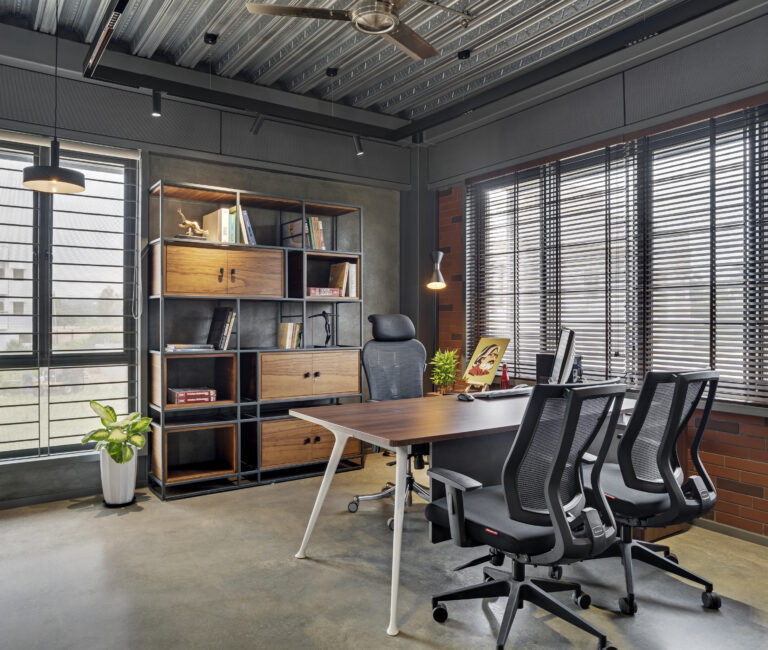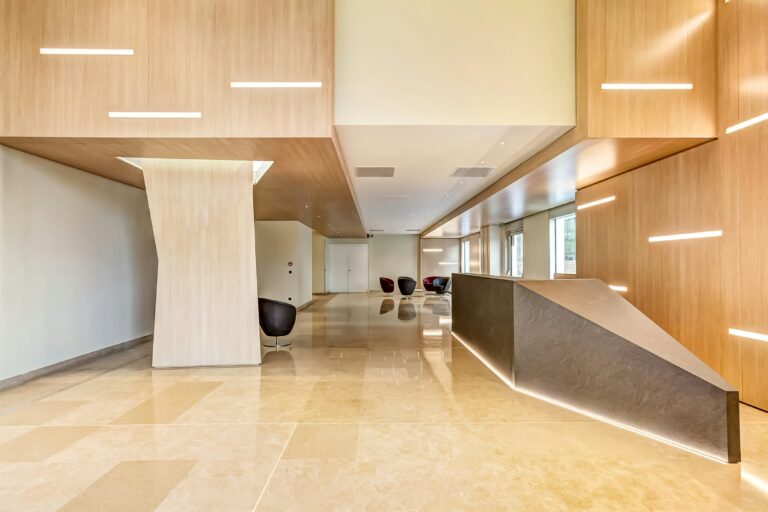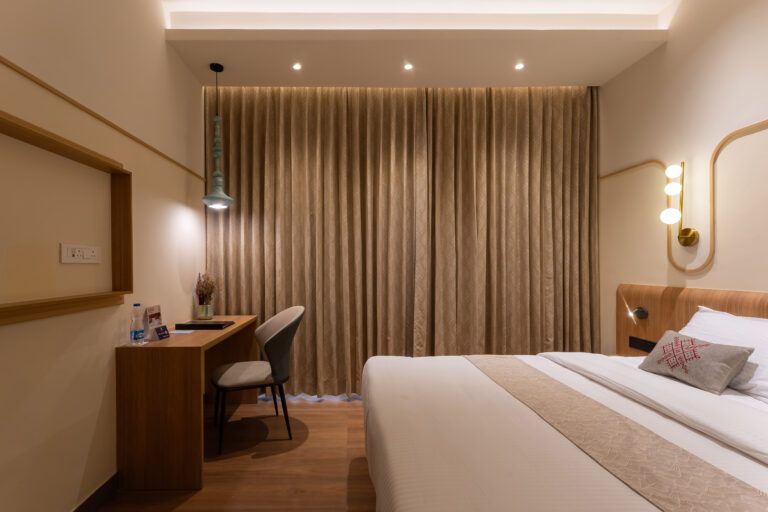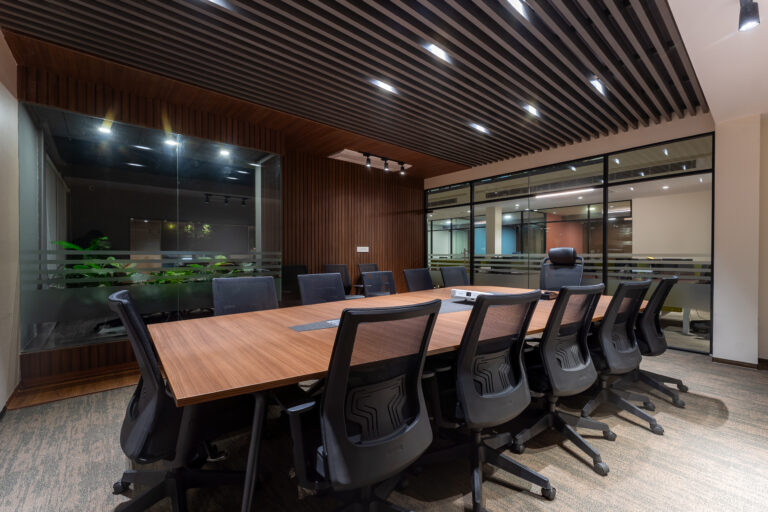
Walk into any high-performing school or college today and you’ll notice something before you see a single classroom — the space itself feels different.
From campuses to hospitals and public institutions, design is shifting from infrastructure-led to experience-led.
The Rise of Smart Sustainable Campuses
Institutions are moving towards integrated, data-driven environments.
Smart campuses today go beyond solar panels and green roofs. They connect:
Energy systems
Water management
Mobility networks
Indoor environmental quality
This shift creates holistic ecosystems, not isolated buildings.
The key idea:
Sustainability is no longer a feature. It’s the foundation.
Human-Centric Design is Leading Decisions
Design is now deeply tied to how people feel and perform.
Research shows that:
Air quality
Lighting Acoustics
Thermal comfort
directly impact productivity and well-being.
In 2026, institutional spaces are being designed to:
Improve focus in learning environments
Support mental health in campuses and healthcare spaces
Enhance user comfort in public buildings
Good design now directly influences human outcomes.
AI & Data Are Shaping Spaces
Artificial Intelligence is no longer futuristic—it’s operational.
Institutions are using AI to:
Monitor building performance
Optimize energy usage
Adapt spaces based on occupancy
In educational environments, AI-driven systems even track cognitive load to improve learning environments.
The result:
Buildings that respond, not just exist.
Climate-Responsive & Resilient Design
Institutional buildings are becoming climate strategies in themselves.
Key approaches include:
Passive cooling & shading
Low-carbon materials
Water-sensitive design
Disaster resilience planning
Sustainability now also includes social equity and long-term resilience, not just energy savings.
The shift:
From minimizing impact → to creating future-ready environments
Wellness-Led Architecture
The future is unpredictable—and buildings must respond.
Institutional design now focuses on:
Modular planning
Multi-functional spaces
Easy reconfiguration
This ensures buildings can evolve with:
Changing technologies
New learning models
Future user needs
Conclusion: Designing Systems, Not Just Spaces
Institutional architecture in 2026 is no longer about scale—it’s about impact.
The most successful projects today:
Integrate technology seamlessly
Prioritize human experience
Respond to climate realities
Adapt over time
Architecture is becoming a system of thinking—
not just a process of building.