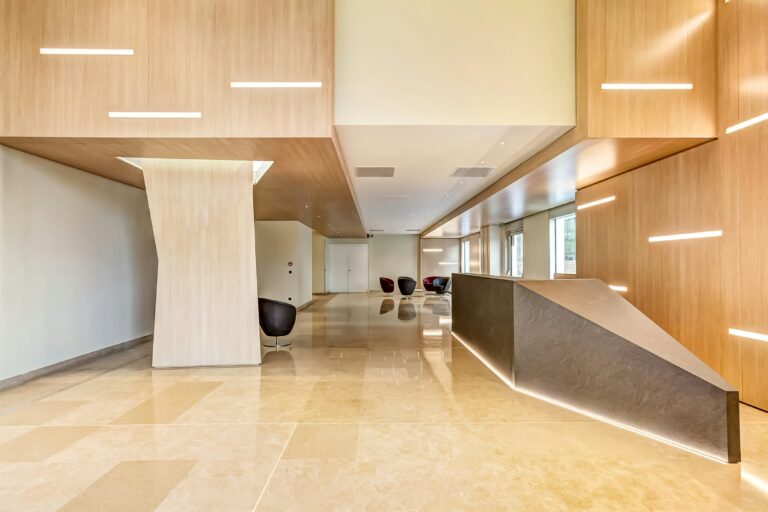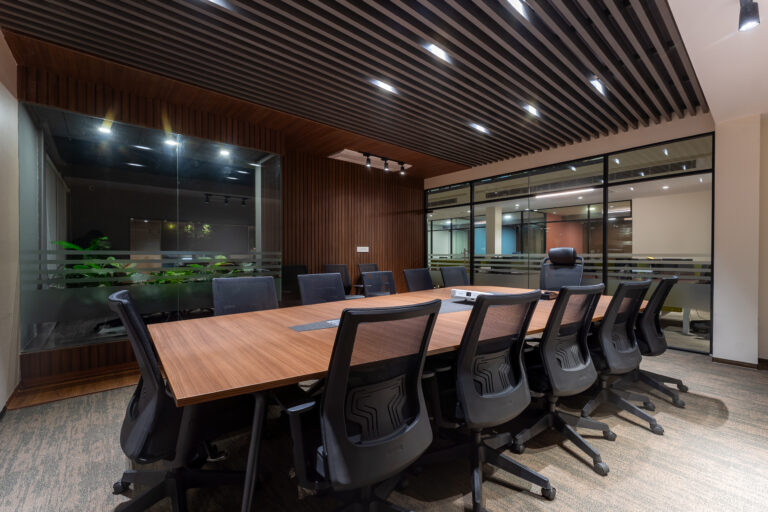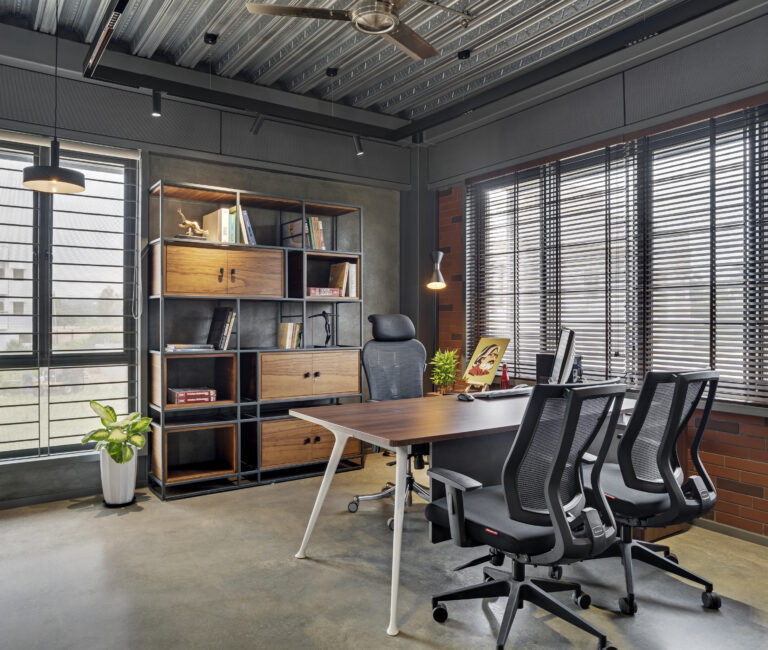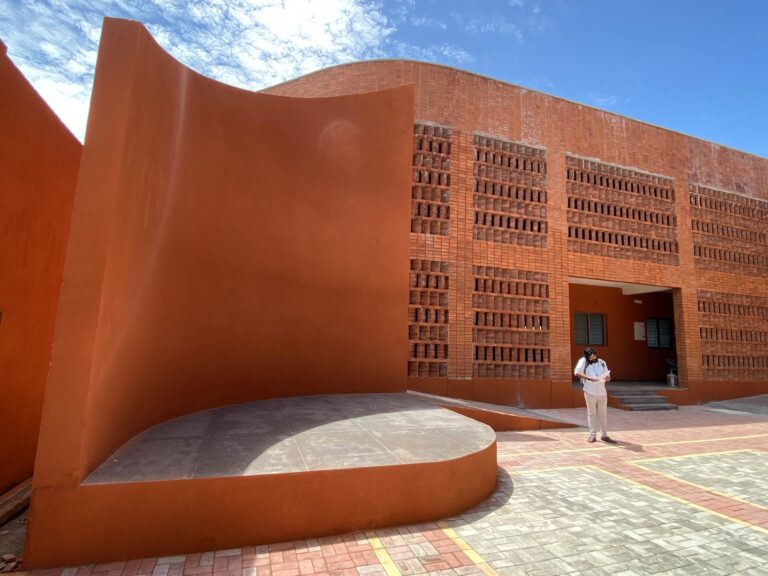
Hospitality architecture is no longer just about creating an attractive hotel, resort or restaurant. It is about designing an experience that begins the moment a guest arrives and continues through every space they use.
This transformation is redefining how hospitality spaces are designed, built, and experienced. As one of the best architecture firms in Chennai, the evolving design approach in hospitality revolves around contextual storytelling, spatial harmony, and environmental sensitivity. Hospitality spaces are no longer just beautifully crafted structures; they embody culture, luxury, and user-focused design principles.
From Function to Experience
Traditionally, hospitality design focused on efficiency—optimizing layouts, maximizing room counts, and delivering expected levels of comfort.
Today, the focus has shifted toward experience.
Guests are not simply booking rooms; they are seeking environments that offer a sense of escape, identity, and connection. Whether it is a boutique hotel, a resort, or a business stay, the expectation is the same: the space must feel intentional.
Every element—from arrival sequence to room layout—contributes to a larger narrative. Design is no longer about filling spaces; it is about shaping journeys.
Designing for Emotional Connection
The success of a hospitality space today lies in how it makes people feel.
Lighting, scale, acoustics, and materiality are carefully orchestrated to evoke specific emotions. Warm lighting creates comfort. Open layouts offer freedom. Textures add depth and tactility.
Spaces are designed to transition seamlessly between moods—calm, vibrant, intimate, and social.
The goal is simple: create environments that resonate on a sensory level.
Operational Efficiency Through Design
While experience is at the forefront, functionality remains critical.
In 2026, hospitality design strikes a balance between guest experience and operational efficiency. Back-of-house planning, service circulation, and maintenance considerations are seamlessly integrated into the design process.
Efficient layouts reduce operational costs, improve staff productivity, and ensure smooth day-to-day functioning.
Good design is not just visible—it works behind the scenes.
Sustainability and Responsibility
Sustainability is no longer optional in hospitality—it is expected.
Energy-efficient systems, locally sourced materials, water management strategies, and passive design techniques are integrated from the outset. These measures not only reduce environmental impact but also enhance long-term profitability.
Guests are increasingly aware of sustainability, and their choices reflect it.
Design, therefore, becomes a tool for both responsibility and value creation.
Conclusion
In 2026, hospitality design is no longer about creating places to stay—it is about creating places to feel.
It is about designing destinations that tell stories, evoke emotions, and leave a lasting impact.
At Bara Architects, we approach hospitality design with this philosophy—where every space is crafted not just for function, but for experience, performance, and identity.
Because in today’s world, the most successful spaces are not the ones people visit once, but the ones they choose to return to.