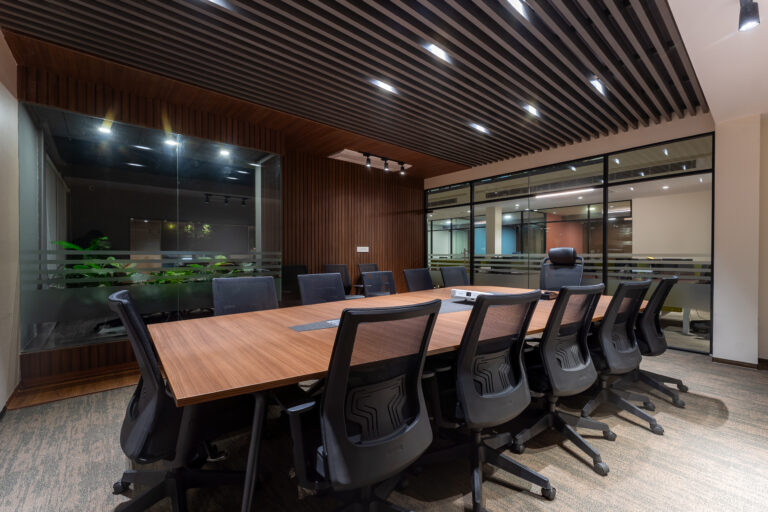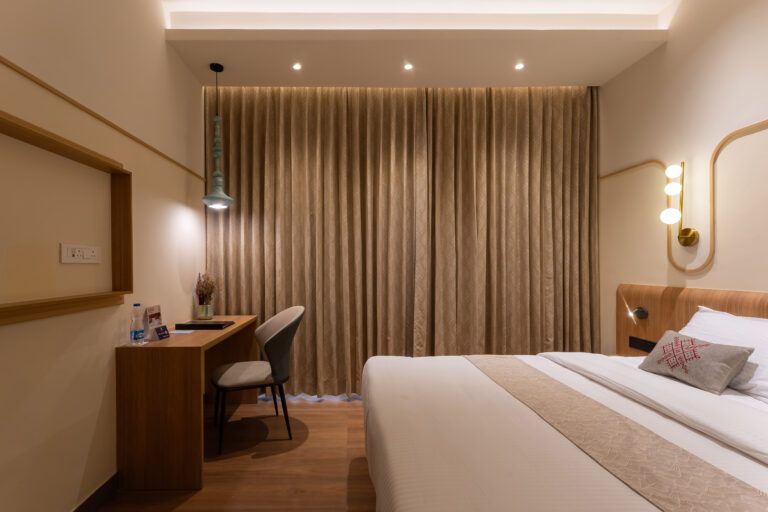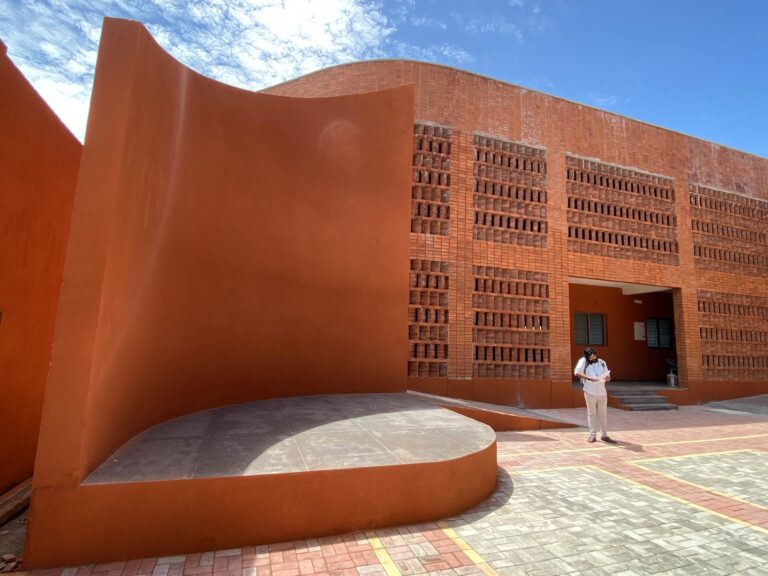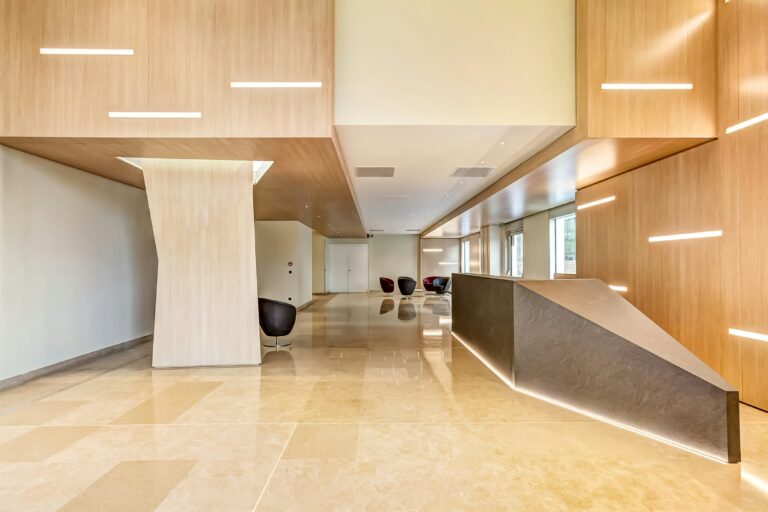
The workplace is no longer just a collection of desks, cabins and meeting rooms. As work patterns evolve, workspace design is becoming more focused on flexibility, collaboration, wellbeing and long-term adaptability. Recent workplace research points toward offices that support both focused individual work and meaningful interaction.
Function First, Always
A successful workspace design starts with understanding how people work. Open plans may look trendy, but without proper zoning, they can reduce productivity. We focus on creating functional office layouts that support collaboration, privacy, and movement — all within the same environment.
Clear circulation paths, efficient desk arrangements, and thoughtful spatial planning ensure that every square foot is used effectively. Because in reality, poor planning leads to wasted space and higher costs.
Designing for Today’s Work Culture
Modern offices demand flexibility. Hybrid work models, team collaborations, and individual focus zones all need to coexist. That’s why we integrate:
Flexible workstations
Breakout and collaboration zones
Quiet pods for focused work
Multi-purpose meeting areas
This approach creates a productive work environment that adapts as teams evolve.
Lighting, Ventilation & Comfort
One of the most overlooked aspects of office interior design is environmental comfort. Natural light, proper ventilation, and thermal comfort directly impact employee well-being and performance.
At Bara Architects, we prioritize:
Maximizing natural daylight
Cross ventilation for better air quality
Strategic artificial lighting for task efficiency
Because a comfortable workspace isn’t a luxury — it’s essential.
Practical Material Selection
Design decisions must translate smoothly into execution. Choosing the right materials is key to ensuring durability, maintenance, and budget control.
We recommend:
Durable flooring like vitrified tiles
Low-maintenance wall finishes
Cost-effective yet premium-looking materials
This ensures that your office design remains practical during execution and sustainable in the long run.
Design That Works in Reality
At Bara Architects, we bridge the gap between design and execution. Drawings are only as good as their real-world application. That’s why we design with construction in mind — ensuring timelines, budgets, and quality stay aligned.
Final thought
A great workspace is not defined by trends, but by how well it functions over time. By focusing on functional workspace design, practical execution, and user experience, Bara Architects creates offices that are efficient, adaptable, and built to perform.